

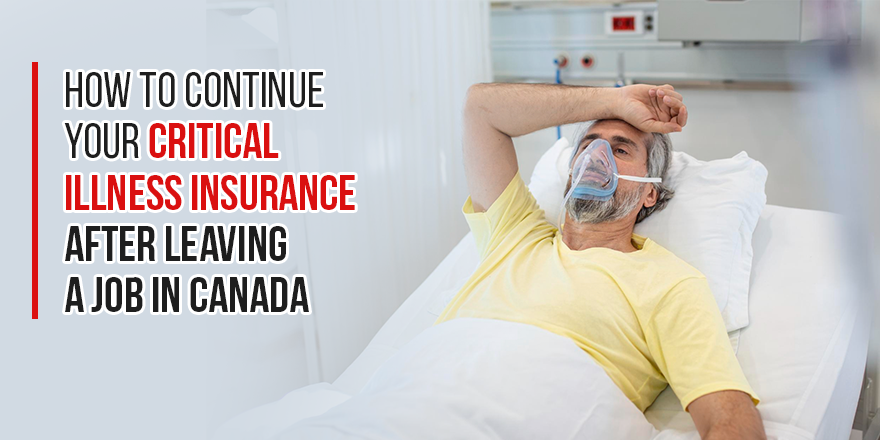
Leaving a job in Canada—whether due to a career change, retirement, self-employment, or layoffs—often means losing access to employer-provided benefits. One of the most valuable yet commonly overlooked benefits is critical illness insurance. This coverage can provide a lump-sum payout if you are diagnosed with a serious illness such as cancer, heart attack, or stroke, helping protect your finances during a difficult time.
If you are leaving your job, it is important to understand how to continue your critical illness insurance in Canada, what options are available, and how to avoid coverage gaps.
What Is Critical Illness Insurance?
Critical illness insurance is a type of personal insurance that pays a tax-free lump sum if you are diagnosed with a covered serious illness and survive a specified waiting period. In Canada, most policies cover conditions such as cancer, heart attack, stroke, coronary bypass surgery, multiple sclerosis, and more.
The payout can be used for any purpose, including:
- Covering mortgage or rent payments
- Replacing lost income
- Paying for medical or recovery-related expenses
- Supporting family members during time off work
Employer-sponsored critical illness insurance is often provided as part of a group benefits plan, which may end when your employment ends.
What Happens to Critical Illness Insurance When You Leave a Job?
In most cases, group critical illness insurance coverage ends when your employment ends. Unlike some benefits, it does not automatically continue unless you take specific action.
Many Canadians assume they will be covered until they find another job, but this is often not the case. Once your employment officially ends, your group coverage may terminate immediately or after a short grace period.
Understanding your options before your last working day is essential to maintaining protection.
Can You Keep Your Employer-Provided Critical Illness Insurance?
Yes, in some cases, you can continue your coverage—but it depends on the plan.
Conversion Options Explained
Many group insurance plans in Canada offer a conversion privilege, allowing you to convert your group critical illness insurance into an individual policy without undergoing medical underwriting.
Key features of conversion:
- No medical exam required
- Guaranteed acceptance (subject to plan rules)
- Coverage amount may be limited
- Premiums are usually higher than group rates
You typically must apply within 30 to 60 days of leaving your job, depending on the insurer. Missing this window can result in losing the option permanently.
How to Convert Group Critical Illness Insurance to an Individual Policy
If your employer’s plan allows conversion, follow these steps:
Step 1: Review Your Benefits Package
Check your employee benefits booklet or contact your HR department to confirm:
- Whether conversion is available
- The deadline to apply
- Maximum coverage limits
Step 2: Contact the Insurance Provider
Reach out to the insurance company directly or through a licensed insurance advisor to request conversion forms.
Step 3: Choose Coverage Amount and Term
Converted policies may offer fewer customization options, but you can usually choose:
- Coverage amount (up to a maximum)
- Term length (e.g., 10, 20 years, or to age 65)
Step 4: Submit the Application on Time
Submit all required documents before the deadline to avoid losing eligibility.
Buying a New Individual Critical Illness Insurance Policy
If conversion is not available—or if you want better coverage—you can apply for a new individual critical illness insurance policy in Canada.
Advantages of Buying a New Policy
- More flexible coverage options
- Potentially lower premiums if you are healthy
- Ability to add riders and features
- Coverage tailored to your long-term needs
Considerations
New policies typically require:
- Medical questionnaires
- Possible medical exams
- Approval based on health and age
If your health has changed since you joined your employer plan, conversion may be safer—even if it costs more.
Timing Matters: Avoid Coverage Gaps
One of the biggest risks when leaving a job is a gap in coverage. If you develop a serious illness after your group coverage ends but before a new policy is active, you may not be eligible for benefits.
To avoid this:
- Start planning before your last day of work
- Apply for conversion or a new policy early
- Ensure the new policy is active immediately after employment ends
What If You Are Becoming Self-Employed?
Many Canadians leave traditional employment to become self-employed or start a business. In this case, individual critical illness insurance becomes even more important, as you no longer have employer benefits.
Self-employed individuals often rely on:
- Personal savings
- Business income
- Insurance protection
A standalone critical illness policy can provide essential financial support during recovery if illness prevents you from working.
What If You Are Retiring?
If you are retiring, your health insurance priorities change. While income replacement may be less important, critical illness insurance can still help with:
- Medical travel costs
- Private care or home support
- Protecting retirement savings
Some retirees choose to convert their group policy or purchase a smaller individual policy for peace of mind.
Cost of Continuing Critical Illness Insurance in Canada
The cost of critical illness insurance depends on several factors:
- Age at application
- Health status
- Coverage amount
- Policy term
- Type of policy (converted vs new)
Group plans are often cheaper, but once converted or replaced with an individual policy, premiums usually increase. However, the long-term financial protection often outweighs the cost.
Common Mistakes to Avoid
Many Canadians make avoidable mistakes when leaving a job:
Waiting Too Long to Act
Missing conversion deadlines can eliminate guaranteed coverage options.
Assuming New Employer Coverage Is Enough
New group plans may have waiting periods or exclude pre-existing conditions.
Cancelling Coverage Without a Replacement
Never cancel coverage until your new policy is confirmed and active.
How a Licensed Insurance Advisor Can Help
A licensed Canadian insurance advisor can:
- Review your current group benefits
- Explain conversion options clearly
- Compare individual policy options
- Help you choose the most cost-effective solution
Professional guidance can help you avoid costly errors and ensure your coverage aligns with your life stage and financial goals.
Frequently Asked Questions About Continuing Critical Illness Insurance
Can I keep the same coverage amount after leaving my job?
Not always. Converted policies often have coverage limits.
Is the payout still tax-free?
Yes. In Canada, critical illness insurance benefits are generally paid tax-free.
Can I have more than one critical illness policy?
Yes. You can own multiple policies, and benefits are usually paid separately.
Final Thoughts: Protect Your Financial Future
Leaving a job in Canada does not mean you have to give up critical illness insurance—but it does require timely action. Whether you convert your group coverage or purchase a new individual policy, maintaining protection can safeguard your finances during one of life’s most challenging moments.
Understanding your options, acting early, and seeking professional advice can help ensure that your critical illness coverage continues uninterrupted—no matter where your career path takes you.